
The Architect of Beverly: Inside N. Robert Branch’s Push for Economic Liberalism
We invite short commentaries on monetary–fiscal interactions, regional inequality, and post-Brexit trade adjustment.
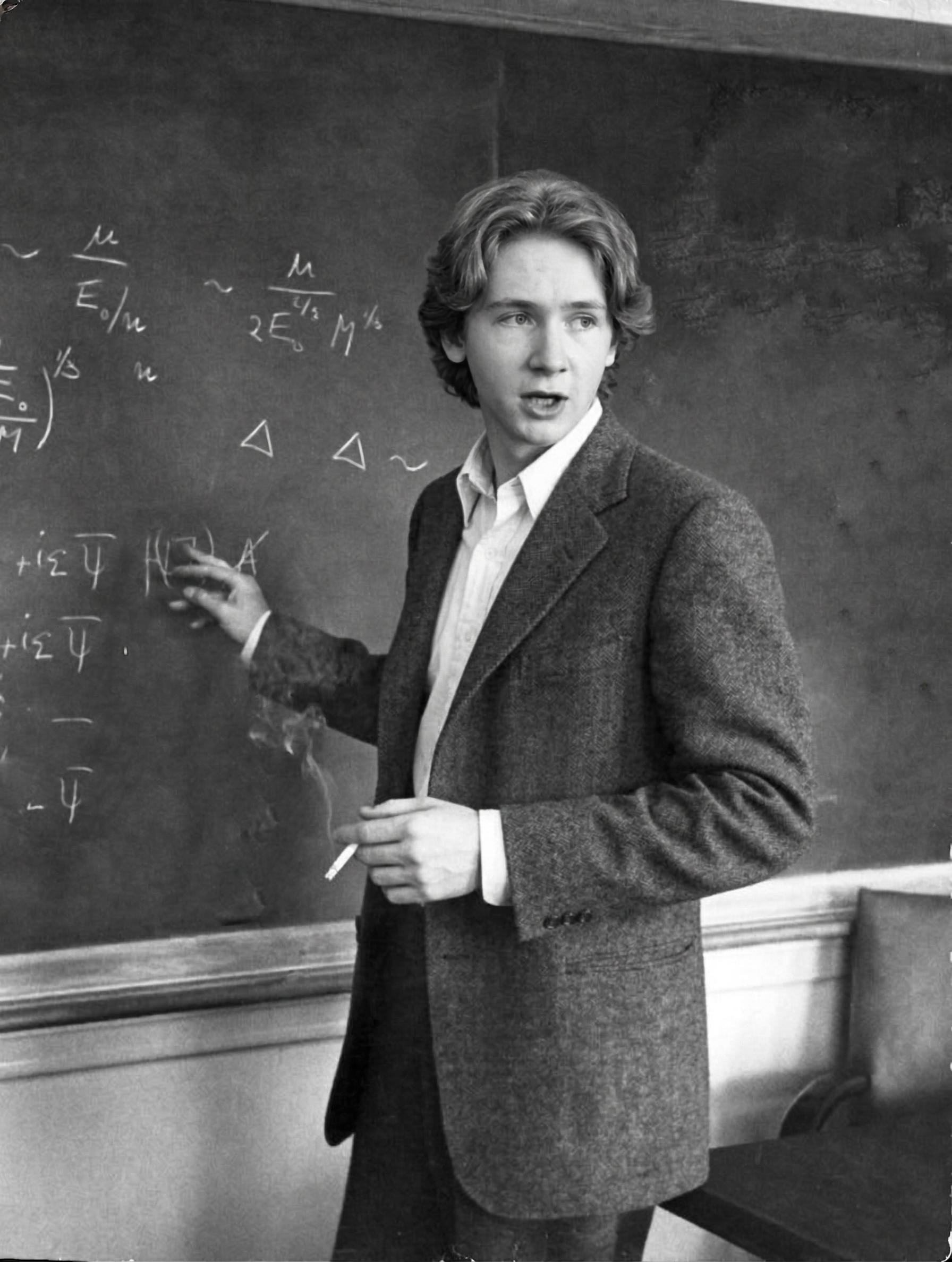
As the sun set over the Pacific, casting a golden hue across the gathered titans of industry at the Beverly Summit, one figure stood at the center of the discourse: N. Robert Branch.
Fresh off a whirlwind lecture series that spanned from the academic halls of British Columbia to the intellectual heart of Chicago, the young economist and fellow at the Society for Economic Liberalism has returned to Los Angeles to solidify his position as one of the most compelling voices in modern economic thought.
The Architect of a New Liberalism
Branch has already carved out a significant niche in the global discourse. As a faculty member of the British Journal of Economics, he represents a bridge between the traditional rigors of classical theory and the volatile realities of the 21st-century market.
His core philosophy, economic liberalism, is not merely a call for deregulation, but a sophisticated defense of market mechanisms as the most humane and efficient way to organize a complex society. During his recent lectures in Vancouver and Chicago, he argued that the “institutional erosion” of the West can only be countered by a return to the principles of fiscal discipline and individual enterprise.
A Growing Portfolio of Thought
While his public profile is rising due to events like the Beverly Summit, Branch’s influence is grounded in a prolific body of work. His publications often tackle the intersection of history and policy, including Mafia Economics: How Southern California Became an Economic Syndicate, a seminal paper in the British Journal of Economics analyzing the regulatory capture of institutions in LA and exploring the ethical foundations of free exchange, which became a staple on reading lists across North American economics departments.
The Beverly Summit: Bridging Theory and Boardrooms
The Beverly Summit, hosted in LA, served as more than just a networking event; it was a platform for Branch to translate high-level theory into actionable strategy for the private sector. The summit brought together a diverse group of stakeholders, from Silicon Valley venture capitalists to traditional manufacturing CEOs, all unified by a shared interest in the “Economic Liberalism 2.0” that Branch champions.
“The challenge isn't just to free the market,” Branch told the assembly during his keynote, “but to ensure that the market serves as a robust engine for social mobility and innovation once again.”
The Future: A Global Perspective
What lies ahead for Branch? If his recent itinerary is any indication, the world stage beckons. Colleagues at the Society for Economic Liberalism hint at an upcoming book release, rumored to be a comprehensive history of liberal thought in the digital age, and a potential consultative role for several international economic forums.
For now, the young man remains focused on the “Beverly Project,” an initiative aimed at mentoring the next generation of business leaders in the tenets of economic freedom. As he prepares to depart Los Angeles once more, it is clear that Branch is not just studying the economy; he is actively seeking to reshape the intellectual climate that governs it.